Do I Need to Be Present for My Pet's Euthanasia at Home
Facing the decision of euthanasia for a beloved pet is one of the most heart-wrenching moments a pet owner can experience. When the time comes, many wonder if they must be present during the procedure, especially when choosing in-home euthanasia for cats, dogs, or small furry companions. This post offers gentle guidance to help you understand your options and make the choice that feels right for you and your pet.

Understanding In-Home Euthanasia
In-home euthanasia allows your pet to pass away peacefully in familiar surroundings, surrounded by the people they love. This approach can reduce stress for both the animal and the family, avoiding the clinical environment of a veterinary clinic. The procedure is carried out by a qualified veterinarian who comes to your home, providing compassionate care tailored to your pet’s needs.
Do You Have to Watch the Procedure?
The short answer is no. You do not have to be present if you feel unable to watch. Many pet owners find comfort in being there, offering gentle strokes or quiet words to their companion during their final moments. Others may find the experience overwhelming and prefer to step away or wait in another room.
Your feelings are valid either way. The veterinarian will support your choice and ensure your pet is treated with dignity and kindness regardless of your presence.
If you are concerned about being visibly upset, please know this is a completely normal level of emotion, and we would be the same with our own beloved pets. You do not need to put on a 'brave face', and there should be no fear of judgement. We want to provide an intimate safe space for you to express yourself as truly as necessary.
Reasons Some Choose to Be Present
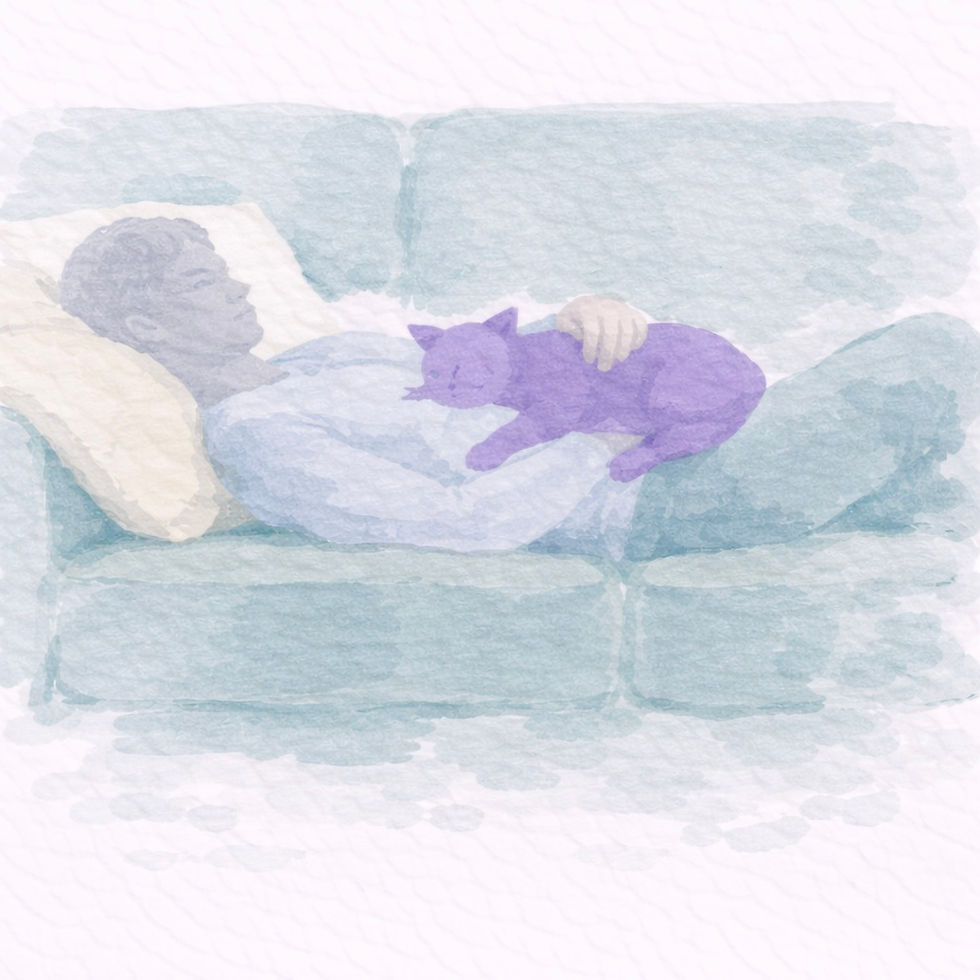
Comfort for the pet: Your familiar voice and touch can soothe your pet, helping them feel safe.
Personal closure: Being there can provide a sense of saying goodbye and sharing the moment.
Support for family members: Sometimes, being together helps family members support each other through grief.
Reasons Some Choose Not to Present
You don’t want this to be your last memory: Some people choose not to be present for all of or part of the process because they don’t want this to be the last memory they have of their pet. This is completely understandable and you can stay until your pet is gently sedated and then leave the room or you can choose to not be present for the entire procedure. Our caring team will make sure your pet is comfortable throughout.
You’re worried your pet will be upset: We will do our utmost to make sure that your pet is as calm and relaxed as possible. We make sure that they are gently sedated and then once they are nice and sleepy, we help them into a deeper sleep before they pass.
Suppo: Sometimes, being together helps family members support each other through grief.

How to Prepare If You Decide to Be Present
If you choose to stay, consider these steps to make the experience as gentle as possible:
Create a calm environment: Dim the lights, play soft music, or have your pet’s favourite blanket nearby.
Have tissues and water ready: Emotions can run high, and it helps to be prepared.
Speak softly: Your pet will respond to your tone more than your words.
Ask questions beforehand: Knowing what to expect can ease anxiety.
What Happens If You Choose Not to Be Present?
If you decide not to watch, you can:
Stay in another room: The veterinarian will let you know when the procedure is complete.
Step outside: Take a walk or sit in the garden to gather your thoughts.
Bring a trusted friend or family member: They can be with your pet and update you afterwards.
The veterinarian will handle everything with care and will ensure your pet’s passing is as peaceful and painless as possible.

Supporting Yourself After the Procedure
Whether you were present or not, grief after euthanasia is natural and personal. Here are some ways to support yourself:
Allow yourself to feel: Sadness, relief, guilt, or peace are all normal emotions.
Reach out: Talk to friends, family, or support groups who understand pet loss.
Create a memorial: Plant a tree, make a photo album, or write a letter to your pet.
Consider professional help: Grief counsellors specialising in pet loss can provide comfort.
Final Thoughts
Choosing whether to be present during your pet’s in-home euthanasia is deeply personal. There is no right or wrong decision. What matters most is what feels best for you and your pet. Trust your instincts and know that compassionate support is available every step of the way.



Comments